What Is Corporate Housing? A Clear Guide for HR & Operations Teams
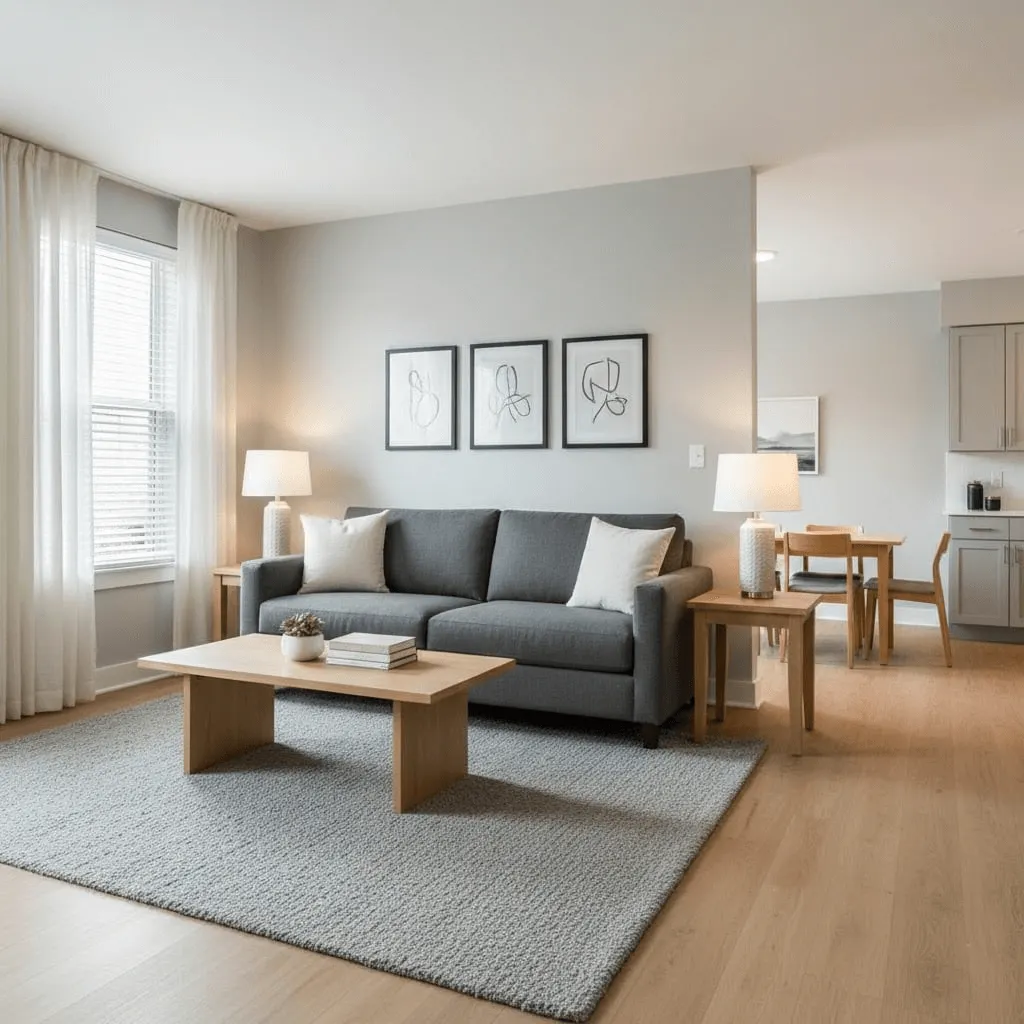
When you’re relocating talent, placing traveling clinicians, or supporting a project workforce, housing becomes an operational variable that affects cost control, employee wellbeing, and execution timelines. Corporate housing exists to reduce disruption and provide a consistent, professional standard of living for assignments that last weeks to months.

Table of Contents
Corporate Housing Definition
Corporate housing is professionally managed, fully furnished, temporary residential-style housing - typically for stays of 30+ days - provided in apartments, condos, or single-family homes with essential living amenities.
It’s designed to feel like a home (kitchen, living space, privacy) while being supported like a service (move-in readiness, maintenance coordination, standards, and consistency).
Who Corporate Housing Is For
HR and People Operations
Employee relocations and interim moves
New hires relocating before permanent housing is secured
Executive transitions and leadership changes
Operations and Project Leadership
Project teams (construction, manufacturing rollouts, engineering installs)
Short-term assignments and temporary placements
Rotating schedules and workforce coverage
Healthcare Staffing and Medical Systems
Traveling nurses and clinicians
Specialist rotations and temporary medical coverage
Workforce housing during expansions, renovations, or coverage gaps
The Relocating Professional (End User)
Professionals needing a stable home base for multi-week or multi-month stays
People who benefit from a kitchen, privacy, and predictable routine
What’s Typically Included in Corporate Housing
Offerings vary by market and provider, but corporate housing is typically turnkey - meaning a professional can arrive and live day-to-day without building a household from scratch.
Standard Inclusions (Common in Most Programs)
Furnishings (bedroom, living room, dining)
Kitchen setup (cookware, dishes, utensils)
Utilities (often bundled)
Wi-Fi / connectivity (often included)
Linens and basic housewares (frequently included in turnkey inventory)
Why This Matters for Employers
When housing supports sleep, meals, and stable routines, you reduce expense noise, improve assignment performance, and lower disruption risk.
How Corporate Housing Works (Operational Flow for Employers)
Step 1: Define the Assignment Requirements
City/market + preferred areas
Start date + length of stay range
Occupancy needs (solo, couple, colleague sharing if applicable)
Parking, pet policy, accessibility requirements (if needed)
Step 2: Set Location Standards to Reduce Commute Risk
Many corporate programs use internal commute standards to support on-time performance and reduce burnout. A common best practice is aiming for 10–15 minutes to major worksites (hospitals, corporate campuses, business districts), with 30 minutes as a practical maximum. (This is a best-practice example—standards vary by company and market.)
Step 3: Match Inventory and Confirm Suitability
A professional operator validates readiness, quality, and responsiveness before placement.
Step 4: Confirm Inclusions and Cost Structure
Confirm what’s bundled (utilities, Wi-Fi, cleaning cadence if offered), fees, deposits, and extension terms.
Step 5: Launch and Support
Strong programs include clear move-in coordination, a maintenance pathway, and support for extensions or transitions.
Typical Length of Stay (And Why 30+ Days Matters)
Corporate housing is commonly positioned for multi-week to multi-month stays, often 30+ days. That 30-day threshold can matter because lodging/occupancy tax treatment and local rules may differ by jurisdiction. Treat it as an operational planning benchmark and align policy accordingly.
Corporate Housing vs Hotel (When Each Makes Sense)
Choose Corporate Housing When
The assignment is 30+ days (or likely to extend)
Your employee needs a kitchen and home routine
Quiet, privacy, and recovery matter for performance
You want fewer incidental costs and less expense-report friction
You want consistent living standards across multiple assignees
Choose a Hotel or Extended Stay When
The stay is short and highly uncertain
The schedule changes daily
The person will be traveling more than “living” locally
For most HR/ops teams, corporate housing value isn’t only “cheaper than a hotel”—it’s reduced operational friction over weeks and months.
What Drives Corporate Housing Cost
Pricing varies by market, seasonality, and inventory availability. The biggest cost drivers tend to be:
Location and proximity to major employment centers
Furnished inventory availability in the target radius
Duration and extension flexibility
Unit size (studio vs 1BR vs 3BR homes)
Utility bundling and included services
Peak demand periods (projects, healthcare cycles, regional spikes)
Decision Framework (Fast Policy-Friendly Guidance)
If you need a fast decision rule:
Use corporate housing if the assignment is 30+ days, the employee needs a stable routine, or the role requires consistent rest and reliability.
Use hotel/extended stay if the assignment is short, uncertain, or highly mobile.
Standardize location: aim for close proximity to the worksite (often 10–15 minutes), and avoid placements that push beyond a practical 30-minute commute when possible.
Corporate Housing Standards Employers Should Set
Location Standards
Define a target commute range (and a maximum) to reduce late arrivals and burnout risk.
Occupancy Rules
Define “authorized occupants” clearly (employee only, spouse, colleague sharing, etc.).
Safety and Quality Baseline
Minimum standards for habitability, cleanliness, and maintenance response.
Extension and Early-Termination Policy
Clear rules prevent scrambles, surprise fees, and operational delays.
Privacy and Data Handling
Ensure data minimization and a clear privacy policy for employee information.
Glossary (Quick Clarity on Related Terms)
Corporate Housing
Professionally managed, fully furnished temporary housing used for business-related stays - often multi-week or multi-month - built for a residential living experience.
Furnished Housing
A broad term meaning “a place that comes furnished.” It can include corporate housing, but it can also include privately managed or informal furnished rentals. Quality and standards vary widely.
Serviced Apartments
A term more common in some markets describing apartments with “hotel-like services” (may include cleaning, concierge, etc.). Sometimes overlaps with corporate housing, sometimes not.
Short-Term Rentals (STRs)
Typically nightly/weekly rentals (often platform-listed). They may be furnished, but standards, compliance, and professional management can vary significantly by unit and host.
FAQs
What is considered corporate housing?
Corporate housing typically refers to fully furnished, professionally managed temporary accommodations - apartments, condos, or homes - provided for business-related stays, commonly 30+ days, with essential amenities included.
How is corporate housing different from an extended stay hotel?
Corporate housing is residential-style living (often more space and a fuller kitchen setup), while extended stay is hotel-based. The best option depends on assignment length, routine needs, and stability requirements.
Who pays for corporate housing?
Often the employer pays directly or reimburses the employee as part of relocation or assignment policy. The best approach depends on internal controls, compliance needs, and role type.
What is included in corporate housing?
Typically furnishings, a usable kitchen setup, utilities, and Wi-Fi—designed for day-to-day living. Always confirm what is bundled for the specific placement.
How long can someone stay in corporate housing?
Many corporate housing stays last weeks to months. Longer stays are common when projects extend or relocations take longer than expected.
Is corporate housing less expensive than a hotel?
It can be, especially over longer durations, but the primary business value is often fewer add-ons, reduced disruption, and a more stable routine.
Does corporate housing have special rules?
Rules can vary by provider and locality. Many companies also apply internal standards for location, safety, and occupancy to protect operations and employee wellbeing.
Next Recommended Reads
Corporate Housing vs Hotel: Which Is Better for Relocations and Project Teams? ( Coming January 2026 )

CORPORATE HOUSING | RELOCATION STAYS | FURNISHED HOMES FOR PROFESSIONALS
30 N. Gould Street Suite R
Sheridan, WY 82801
OUR NEWSLETTER
Stay updated with the latest industry news and locations around the nation.
Designed by maxCEOS Digital